
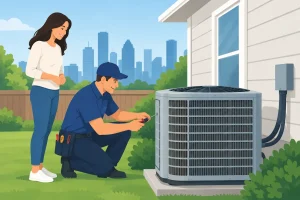
When a Houston air conditioner starts blowing warm air at 9 p.m., the problem is more than an inconvenience. High indoor humidity, restless sleep, and rising temperatures can make a home uncomfortable fast. Reliable AC repair Houston homeowners can call for should focus on finding the actual cause, restoring cooling safely, and helping prevent the same issue from returning.
A system does not always fail without warning. Strange sounds, weak airflow, uneven temperatures, or a utility bill that suddenly climbs can all signal that something needs attention. Acting early can often mean a straightforward repair instead of a larger breakdown during the hottest part of the season.
When to Call for AC Repair in Houston
Some air-conditioning problems are obvious. If the unit will not turn on, trips the breaker, leaks water into the home, or blows warm air, schedule service as soon as possible. Continuing to run a struggling system can put added stress on the compressor, blower motor, electrical components, and other parts that are expensive to replace.
Other warning signs are easier to overlook but still deserve a professional diagnosis. Your AC may be calling for help if it runs constantly without reaching the thermostat setting, cycles on and off every few minutes, produces unusual rattling or buzzing, or leaves certain rooms much warmer than others. Musty odors, weak air from supply vents, and excess moisture around the indoor unit also point to a problem worth addressing.
Houston’s heat and humidity create demanding operating conditions. An air conditioner that seems only slightly underpowered in mild weather may not keep up once temperatures and humidity rise. Fast problem solving helps protect your comfort before a small concern becomes an urgent no-cooling call.
Warm Air Is Not Always a Refrigerant Problem
Homeowners often assume warm air means the system needs refrigerant. A refrigerant issue is possible, but it is not the only explanation. A clogged filter, frozen evaporator coil, failed capacitor, dirty outdoor coil, thermostat issue, damaged wiring, or failing compressor can all affect cooling performance.
Adding refrigerant without identifying why the level is low does not solve a leak. A qualified technician should inspect the system, test its performance, and explain the repair options clearly. Accurate diagnostics matter because the right repair depends on the cause, the age of the equipment, and the condition of the overall system.
Water Around the Unit Needs Attention
A small amount of moisture at the outdoor condenser may be normal, but water around the indoor air handler, ceiling stains, or a clogged drain line should not be ignored. In Houston, condensate systems work hard because AC units remove significant moisture from indoor air.
A blocked drain can lead to water damage, mold concerns, or a safety switch shutting the system down. The immediate fix may be simple, but a technician should also check whether algae buildup, a poorly pitched drain line, or another issue is causing repeated clogs.
What a Professional AC Repair Visit Should Include
Good AC service is not guesswork. The technician should listen to what you have noticed, inspect the affected equipment, and evaluate the system’s electrical and mechanical operation. That may include checking thermostat settings, airflow, filters, drain components, capacitors, contactors, motors, coils, refrigerant pressures, and electrical connections.
Electrical problems deserve special care. Your cooling system relies on high-voltage components, controls, and safety devices that should be tested and repaired correctly. Loose connections, worn capacitors, or damaged wiring can cause unreliable operation and create safety risks. Safe code compliance and durable workmanship are especially important when electrical repairs or upgrades are part of the solution.
After the diagnosis, you should receive a clear explanation of what failed, what repair is recommended, and what the next step involves. The best choice is not always the cheapest immediate option. For example, replacing a worn part on a newer, otherwise healthy unit may make excellent sense. On an older system with repeated breakdowns, major efficiency loss, or costly compressor trouble, it may be time to discuss replacement rather than continue investing in repairs.
Repair or Replace? It Depends on the Whole System
There is no single age at which every air conditioner should be replaced. Maintenance history, repair frequency, energy use, equipment condition, and the cost of the current repair all matter. A system that is well maintained may deliver dependable service for years. One that has been neglected or is undersized for the home may struggle much sooner.
Consider replacement when your unit needs frequent service, cannot hold a comfortable temperature, uses outdated equipment, or requires a major repair that approaches a substantial portion of a new system’s cost. Upgrading can improve comfort and efficiency, but sizing and installation quality are just as important as the equipment itself. An oversized unit can cycle too quickly and leave humidity behind, while an undersized system may run continuously on hot Houston afternoons.
Home electrical capacity can also affect an HVAC upgrade. If a new system, heat pump, or added comfort equipment requires electrical work, it is useful to have one local service partner who understands both sides of the project. Spring Electric & A/C can address air-conditioning needs alongside electrical troubleshooting, panel upgrades, generators, ceiling fans, and other home-comfort improvements.
Simple Steps to Take Before Service Arrives
A few safe checks can help, but homeowners should not open electrical panels, handle capacitors, or attempt refrigerant repairs. Start by confirming the thermostat is set to cool and the temperature setting is below the current room temperature. Check that the filter is not heavily clogged and that supply vents are open and unobstructed.
Then look at the circuit breaker. If it has tripped once, resetting it may restore operation, but do not repeatedly reset a breaker that trips again. That can signal an electrical fault or equipment failure that needs professional attention. Clear leaves, grass clippings, and stored items away from the outdoor unit so it can release heat properly, but avoid spraying components or bending coil fins.
If you see ice on refrigerant lines or the indoor coil, turn the system off at the thermostat and call for service. Running a frozen system can worsen damage. If water is actively leaking near electrical equipment or through a ceiling, take appropriate safety precautions and seek help promptly.
Prevent Costly Breakdowns Before Summer Peaks
Preventative maintenance gives your AC the best chance to handle long Houston cooling seasons. During a maintenance visit, a technician can identify worn electrical parts, drainage concerns, dirty coils, airflow restrictions, and performance issues before they leave you without cooling.
Between professional visits, change filters on a schedule that fits your home, pets, and indoor air conditions. Keep the outdoor unit clear, pay attention to changes in sound or cooling performance, and do not wait for a complete failure to address a concern. Small changes often provide the earliest warning.
Maintenance cannot prevent every repair. Parts wear out, storms affect electrical systems, and years of heat take a toll. It can, however, reduce avoidable strain, support efficient operation, and give you more control over repair decisions instead of being forced into them during an emergency.
Choose Service That Respects Your Home and Time
When your AC stops working, you need more than a quick temporary fix. You need a technician who arrives prepared, explains the issue in plain language, respects your property, and completes work with safety and long-term performance in mind. Whether the issue is a weak capacitor, a drainage failure, an airflow problem, or a larger system concern, timely service can restore comfort and help protect your investment.
If your system is showing warning signs or has already stopped cooling, schedule an AC repair visit before the next Houston heat wave turns a manageable problem into a long, uncomfortable night.


Leave a Reply