
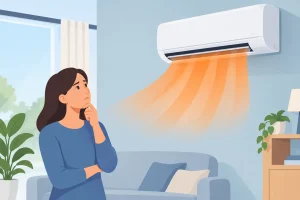
A Houston afternoon can turn uncomfortable fast when the thermostat is set to cool but the vents are sending out heat. An air conditioner blowing warm air is more than an inconvenience in Texas. It can signal a simple setting issue, restricted airflow, an electrical problem, or a repair that should not wait.
Before assuming the system needs replacement, start with a few safe checks. If those do not solve the problem, prompt professional diagnosis can protect your comfort and help prevent a smaller issue from becoming a costly breakdown.
Start With the Simple Checks
Your thermostat should be set to Cool, with the temperature set several degrees below the current indoor temperature. Make sure the fan is set to Auto, not On. When the fan is set to On, it continues circulating air between cooling cycles. That air may feel warm even though the AC itself is operating normally.
Next, check the air filter. A heavily clogged filter restricts airflow, forces the system to work harder, and can contribute to an iced indoor coil. Replace a dirty disposable filter with the correct size and airflow rating for your system. In a Houston home with pets, frequent activity, or high summer use, filters often need attention more often than homeowners expect.
Also look at the outdoor condenser unit. It needs open space around it to release heat from your home. Turn off the system before removing loose leaves, grass clippings, or visible debris around the unit. Do not open electrical panels or attempt to clean internal components yourself.
Why Is Your Air Conditioner Blowing Warm Air?
If the thermostat, filter, and outdoor area look normal, the issue is likely inside the equipment or electrical system. These are several common causes technicians find during AC service calls.
Low Refrigerant or a Refrigerant Leak
Refrigerant moves heat out of your home. It is not a fuel that should be routinely “used up,” so a system that is low on refrigerant usually has a leak. With too little refrigerant, the AC may run for long periods without cooling effectively, blow warm air, or freeze at the indoor coil.
Adding refrigerant without finding the source of the leak is only a temporary fix. A proper repair includes testing the system, identifying the leak when possible, repairing it, and charging the unit to manufacturer specifications. This protects performance and avoids repeated service costs.
A Frozen Evaporator Coil
Ice on the indoor coil prevents the system from absorbing heat. The result can be weak airflow, warmer air from the vents, water around the indoor unit, or no cooling at all. Restricted airflow from a dirty filter is one possible cause, but low refrigerant, a failing blower motor, and dirty coils can also lead to freezing.
If you see ice on refrigerant lines or suspect a frozen coil, turn the cooling mode off and set the fan to Auto. Do not chip at the ice or keep running the compressor. The system needs time to thaw, followed by a professional inspection to determine why it froze in the first place.
Outdoor Unit or Compressor Trouble
Your indoor equipment moves air, but the outdoor unit is responsible for releasing the heat collected from inside your home. If the outdoor unit is not running, the indoor blower may still operate and push room-temperature or warm air through the vents.
A failed capacitor, contactor, fan motor, compressor, or control component can stop the outdoor unit from operating correctly. These parts involve high voltage and should be tested by a qualified technician. A buzzing sound, repeated clicking, a humming unit that will not start, or a condenser fan that does not spin are all reasons to schedule service promptly.
Electrical Problems or a Tripped Breaker
Air-conditioning systems depend on dedicated electrical circuits, disconnects, controls, and properly sized components. A tripped breaker can shut down part of the system, while the thermostat and indoor fan may still appear to work.
You can check your electrical panel once for an obviously tripped AC breaker. If it has tripped, reset it once only. If it trips again, leave it off and call for service. Repeatedly resetting a breaker can create a safety risk and may damage equipment. An electrical issue may be related to the AC unit itself, but it can also point to wiring, connections, or capacity concerns that need careful diagnosis.
Condensate Drain or Float Switch Issues
Houston humidity creates a lot of condensation during cooling season. Your AC removes moisture from the air, and that water must drain safely. When the condensate line clogs, many systems use a float switch to shut down cooling before water overflows and damages the home.
A drain problem does not always cause warm air, but it can make the AC stop cooling or cycle unpredictably. Water near the indoor air handler, a full drain pan, or a system that stops after periods of heavy use should be addressed quickly.
When Warm Air Is an Emergency
Not every warm-air problem requires an after-hours call, but some should not be ignored. Call for fast AC service if your home is becoming dangerously hot, especially if young children, older adults, pets, or anyone with health concerns is inside. You should also act quickly if you smell burning, notice smoke, hear loud electrical buzzing, see water leaking near electrical equipment, or have a breaker that will not stay on.
Turn the system off if you smell burning or hear unusual grinding, screeching, or banging. Continuing to run damaged equipment can increase the repair scope. If you need temporary relief, use ceiling fans to improve air movement, close blinds against afternoon sun, and avoid adding heat with ovens or dryers until cooling is restored.
What a Professional AC Diagnosis Should Include
A good repair starts with finding the actual cause, not guessing at the most visible symptom. A technician should check thermostat operation, airflow, filter condition, electrical readings, system pressures, coil condition, drain operation, and the outdoor unit’s major components.
That process matters because several problems can look the same from a living room vent. A weak capacitor and a refrigerant issue can both leave a house warm. A frozen coil may stem from a dirty filter, but it could also indicate a blower or refrigerant problem. Accurate diagnosis helps homeowners make informed repair decisions and avoid paying for work that does not solve the issue.
For homes with aging equipment, the repair-versus-replacement decision depends on the condition of the system, the nature of the failure, repair cost, efficiency, and how reliably the unit has performed. A single repair on a newer system may be the sensible choice. Frequent breakdowns, expensive compressor issues, or declining cooling performance can make replacement a better long-term investment.
Prevent Warm-Air Breakdowns Before Summer Peaks
Preventative maintenance is one of the most practical ways to reduce surprise AC failures. Before sustained heat arrives, have the system inspected and cleaned, replace filters regularly, and keep vegetation and debris away from the outdoor unit. Technicians can identify worn electrical components, drainage concerns, weak capacitors, and airflow problems before they leave your household without cooling.
It also helps to pay attention to changes that seem minor. Longer cooling cycles, uneven temperatures between rooms, weak airflow, higher utility bills, or new sounds are early warning signs. Addressing them sooner can improve efficiency and reduce the chance of a mid-summer failure.
Spring Electric & A/C provides responsive HVAC and electrical service for Houston-area homeowners who need clear answers and dependable workmanship. Whether the problem is a dirty filter, a failed component, a refrigerant concern, or an electrical issue, the right repair begins with a careful diagnosis.
Warm air from the vents is your system asking for attention. A quick safe check is worthwhile, but when cooling does not return, scheduling service early can help restore comfort before the Texas heat takes over the house.


Leave a Reply